High-Flow Filtration in Oil & Gas
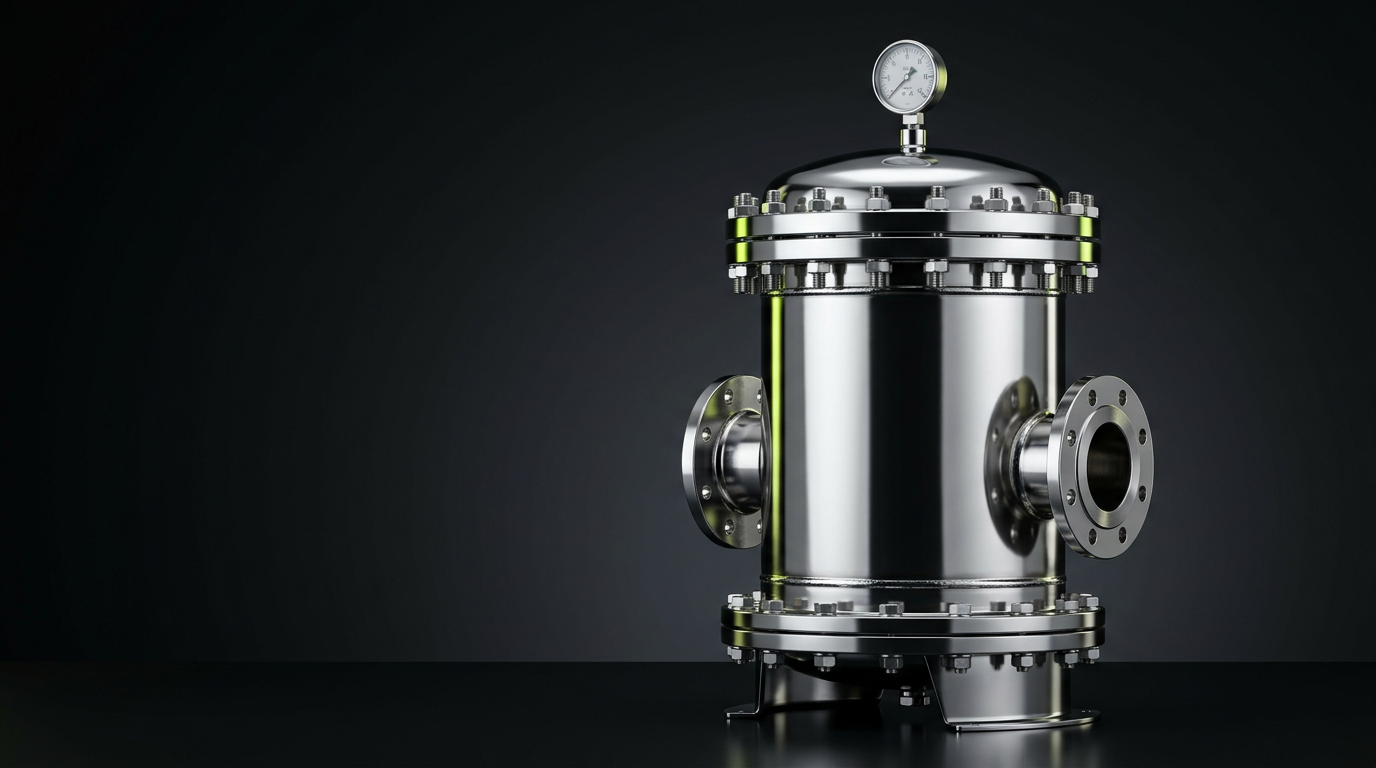
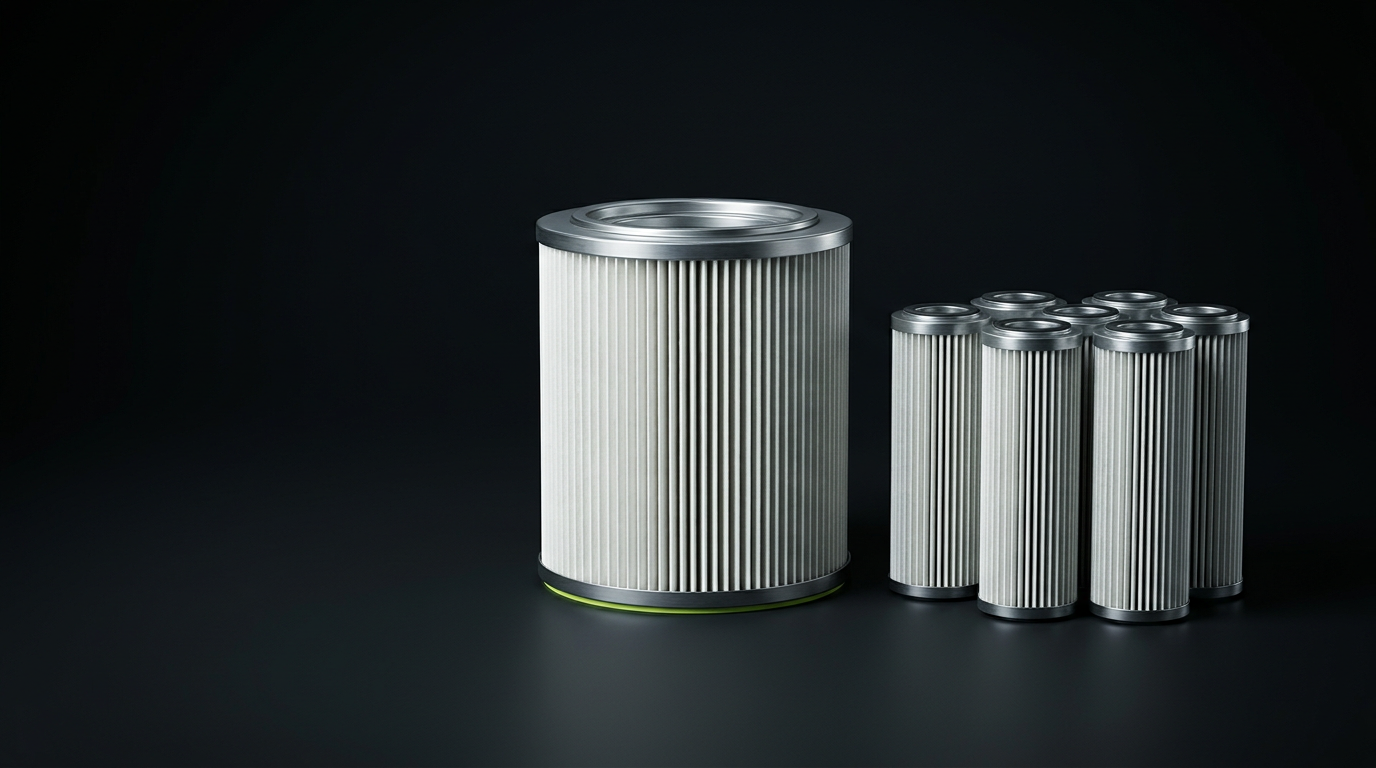
The oil and gas industry demands reliable, continuous filtration across a wide range of process streams. Whether protecting amine contactors, treating produced water, or polishing condensate, the wrong filter element can mean unplanned downtime, product contamination, or accelerated equipment wear. High-flow filter elements – typically 40" to 60" in length, rated at 5–20 µm, and manufactured from polypropylene (PP) or glass fibre (GF) media – are the workhorse solution for these demanding duties.
This guide covers the key filtration requirements, common challenges, and recommended compatible replacement elements for oil & gas filtration applications.
Typical Filtration Requirements
Three core process streams define most high-flow filtration duties in oil and gas:
Amine Filtration (MDEA / MEA / DEA)
Amine gas treating units rely on lean amine recirculation. Particulate contamination – iron sulphide, corrosion products, and carbon fines – degrades amine quality, foams the contactor, and increases solvent losses. High-flow elements in the 5–20 µm range, constructed from chemically resistant PP or GF media, are standard for both mechanical and carbon bed guard filtration.
Condensate Filtration
Hydrocarbon condensate streams carry fine solids, scale, and corrosion debris. Effective filtration protects downstream heat exchangers, metering equipment, and export pipelines from fouling and erosion.
Process Water Treatment
Produced water and injection water require particulate removal to meet disposal or re-injection specifications. High-flow elements handle the large volumetric flows typical of water handling systems without the pressure drop penalty of smaller cartridge formats.
Common Challenges
| Challenge | Impact | Mitigation |
|---|---|---|
| High solids loading | Rapid differential pressure rise, short element life | Pre-filtration or coarser guard elements upstream |
| Chemical compatibility | Media degradation in amine or hydrocarbon service | Select PP or GF media rated for the specific solvent |
| Temperature excursions | Seal and media failure | Confirm element temperature rating before installation |
| Large flow volumes | High housing count or frequent changeouts | Use 60" high-flow elements to maximise dirt-holding capacity |
| Foaming in amine units | Contactor efficiency loss | Maintain tight particulate control with correct micron rating |
Recommended Filter Elements
R+F FilterElements GmbH manufactures dimensionally compatible replacement elements for high-flow housings used across oil and gas facilities. The following elements are independent replacements compatible with housings originally specified for Pall Corporation reference numbers. Pall Corporation is a trademark of its respective owner; R+F elements are not OEM parts.
Compatible Replacement Elements
| OEM Reference | R+F Compatible Replacement | Details |
|---|---|---|
| HFU640UY020J | View element | High-flow element, PP/GF media, 5–20 µm range |
| HFU640UY045J | View element | High-flow element, PP/GF media, 5–20 µm range |
| HFU640UY060J | View element | High-flow element, PP/GF media, 5–20 µm range |
| HFU640UY100J | View element | High-flow element, PP/GF media, 5–20 µm range |
Not sure which element fits your housing? Use the Filter Finder or submit an enquiry with your housing model and process conditions.
Maintenance & Change Intervals
In oil and gas service, differential pressure (ΔP) is the primary change-out indicator. Do not rely solely on calendar-based intervals, as solids loading varies significantly with process conditions, seasonal changes, and upstream upsets.
Recommended Practice
- Install differential pressure gauges across each filter housing. Record baseline ΔP at start-up with a clean element.
- Change elements when ΔP reaches the housing manufacturer's maximum recommended terminal differential pressure. Do not exceed this limit; over-pressurised elements can collapse, releasing unfiltered fluid downstream.
- Log ΔP trends to identify process upsets early. A sudden ΔP spike may indicate an upstream slug of solids rather than normal end-of-life.
- Inspect elements on removal – heavy iron sulphide loading (black deposits) in amine service, for example, may indicate corrosion issues requiring upstream attention.
- Never bypass a high-ΔP element to extend run time. The cost of downstream equipment damage far exceeds the cost of a replacement element.
Planned Maintenance Windows
Where process conditions are stable and well-characterised, historical ΔP data can be used to plan element changes within scheduled turnarounds. Always keep a minimum of one full set of replacement elements on-site as a buffer stock.
Closing: Request Your Compatible Elements
R+F FilterElements GmbH supplies dimensionally compatible high-flow replacement elements for oil and gas applications across amine treating, condensate, and process water service. Our elements are available in PP and GF media, 40" to 60" lengths, and 5–20 µm ratings to match your process requirements.
Ready to optimise your filtration?
- 📋 Submit an element enquiry – send us your OEM reference, housing model, and process conditions for a fast, accurate quotation.
- 🔧 Configure a high-flow housing – if you are specifying a new system or replacing an existing housing, our configurator guides you through the key parameters.
- 🔍 Explore all oil & gas filtration solutions – full application overview, compatible element listings, and technical resources.