Custom High-Flow Filter Housings: When a Standard Vessel Is Not Enough
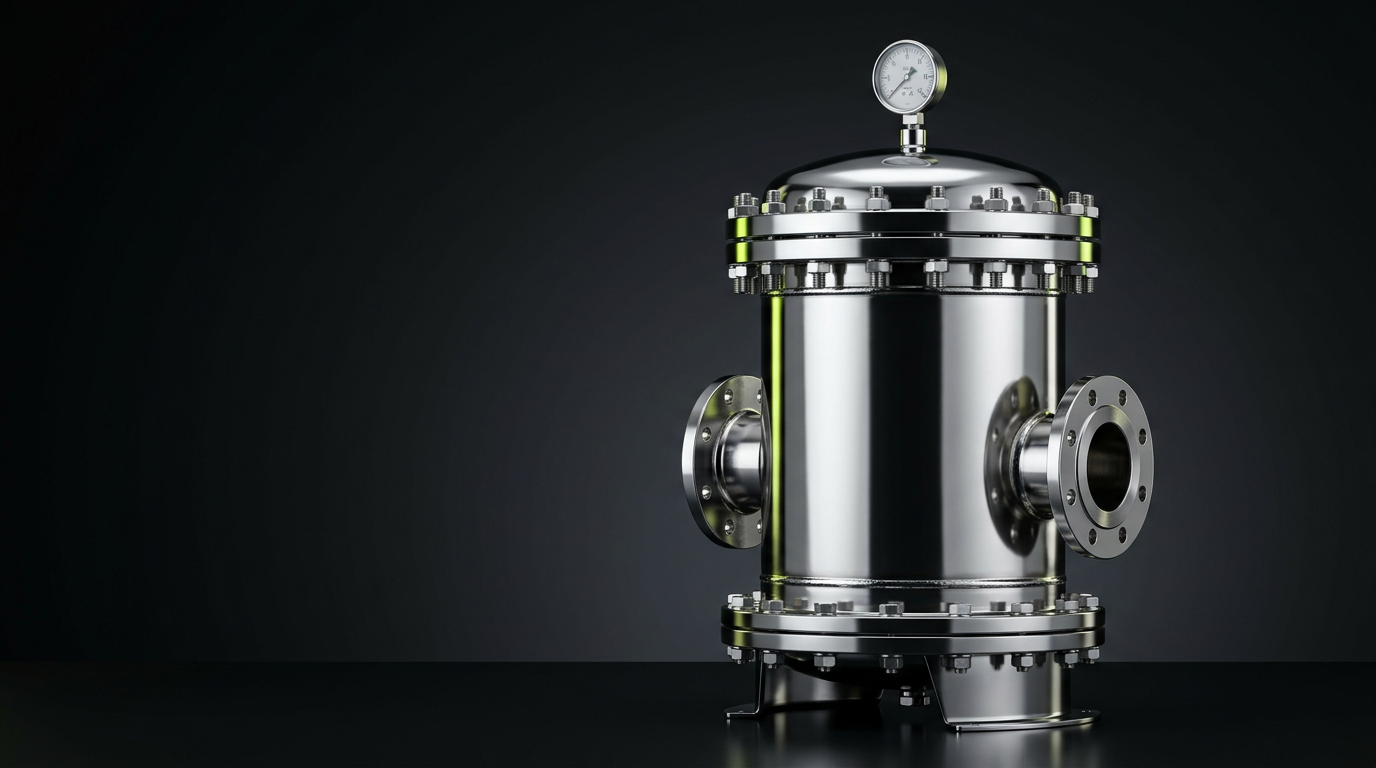
High-flow filter housings are the backbone of any large-scale filtration system. In many industrial, municipal, and process applications, however, a catalogue vessel simply does not fit — whether because of unusual pipe connections, aggressive media, confined installation spaces, or demanding pressure and temperature conditions. When that happens, a custom-built housing is not a luxury; it is a necessity.
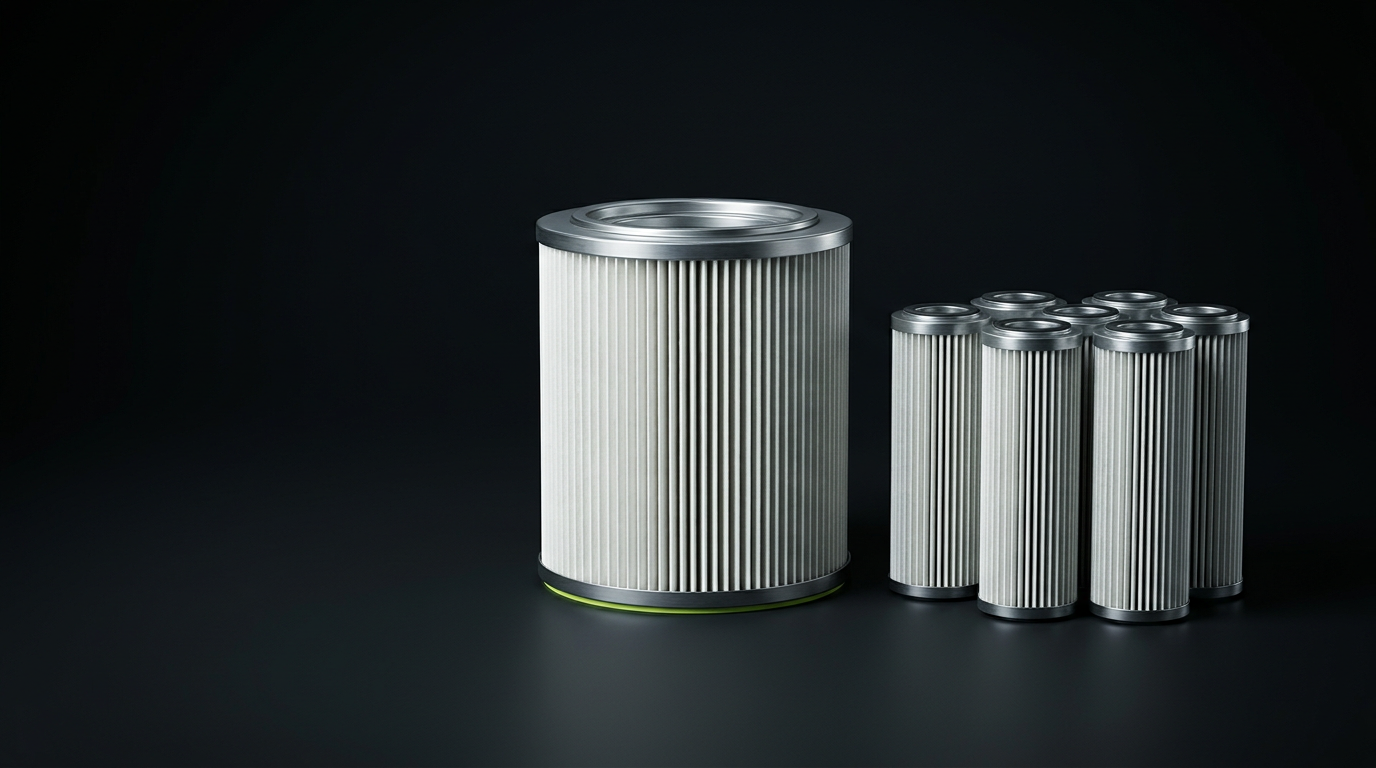
R+F FilterElements GmbH acts as your single point of contact for both compatible high-flow filter elements and the housings that hold them. That includes built-to-spec, custom vessels shipped worldwide — so you deal with one supplier from element selection through to housing delivery.
What to Specify for a Custom High-Flow Filter Housing
Getting a custom housing right starts with a clear specification. The following parameters define the vessel you need.
Materials
The fluid being filtered, its chemical composition, and any regulatory requirements all drive material selection. Common considerations include:
- Carbon steel for general industrial service
- Stainless steel grades for corrosive media, food-grade, or pharmaceutical applications
- Coatings and linings where base material alone is insufficient
Always communicate the full fluid chemistry and any applicable standards (e.g. ATEX, FDA, drinking-water approvals) at the enquiry stage.
Connections
Inlet and outlet connection type, size, and standard (flanged, threaded, tri-clamp, etc.) must match your existing pipework exactly. Mismatched connections are one of the most common reasons a standard housing fails to fit. Specify:
- Connection standard and pressure rating
- Nominal diameter
- Flange facing or thread form
- Drain, vent, and instrumentation ports if required
Pressure and Temperature Class
The housing must be rated for the maximum allowable working pressure (MAWP) and the full operating temperature range of your process — including any transient peaks. Provide both normal operating conditions and worst-case excursions when requesting a quote.
Orientation and Layout
High-flow housings can be configured for vertical or horizontal element installation depending on available headroom, maintenance access, and drainage requirements. Multi-element housings (single-round or multi-round configurations) add further layout considerations. Describe your available footprint and preferred maintenance direction clearly.
Standard vs. Custom Housings
| Criterion | Standard Housing | Custom Housing |
|---|---|---|
| Lead time | Short — stock or near-stock | Longer — built to specification |
| Cost | Lower upfront | Higher upfront, lower total cost of ownership when fit is critical |
| Connection fit | Fixed options | Matched to your exact pipework |
| Material options | Limited range | Broad — specified per application |
| Pressure/temp class | Defined catalogue ratings | Engineered to your process limits |
| Orientation | Typically fixed | Vertical or horizontal as required |
| Regulatory compliance | Standard certifications | Application-specific approvals possible |
For many straightforward installations a standard housing is the right economic choice. But when even one of the criteria above cannot be met from catalogue, a custom vessel pays for itself quickly — in avoided downtime, reduced installation costs, and longer service life.
Matching an Existing Installation
Retrofitting a new housing into an existing plant is often the most demanding scenario. Pipe centres are fixed, headroom is limited, and the process cannot stop for extended periods. A successful match requires:
- Accurate as-built dimensions of the installation space — not nominal design drawings.
- Full connection details including any non-standard or legacy fittings.
- Process data covering fluid, pressure, temperature, and flow rate.
- Element compatibility — the housing must accept the high-flow filter elements already validated for your process, or a compatible replacement. Browse compatible elements via the R+F Filter Finder.
Sharing this information upfront allows R+F to propose a housing that drops into your existing installation with minimal modification.
R+F as Your Single Point of Contact
R+F FilterElements GmbH supplies both the compatible high-flow filter elements and the housings — standard or custom — that house them. You do not need to coordinate between multiple vendors. Whether you need a single replacement vessel or a multi-element system for a new plant, R+F manages the specification and delivers worldwide.
Ready to Specify Your Housing?
Choose the path that fits your situation:
- Configure a standard or near-standard housing using our online tool: Housing Configurator
- Explore custom and special-build options: Custom Housing Page
- Speak directly to our team about your specific requirements: Submit an Enquiry
R+F ships built-to-spec housings worldwide. Tell us what you need — we will take it from there.